The Future of Emergency Medicine: New Technologies Making Care Faster and Safer

Emergency care has always been a core part of emergency medicine, focused on getting you the right help at the right time. What is changing now is how quickly that care can begin and how much more coordinated the entire experience feels from the moment you arrive.

Across urgent care clinics and emergency departments, new tools and updated systems are reshaping how patients are evaluated, diagnosed, and treated. The result is a more organized process where decisions can happen sooner and with greater clarity.

This shift is especially noticeable in busy communities where minor injuries, seasonal illnesses, and unexpected symptoms bring people in throughout the day.

Why Emergency Care Is Changing

The way patients move through emergency medicine today is shaped by ongoing improvements in how care is delivered from the moment you arrive to the moment you leave.

Instead of functioning as separate steps, triage, diagnostics, and treatment are now more connected, allowing care teams to respond more efficiently in real time.

These changes can be seen in how quickly patients are assessed, how information is shared across care teams, and how smoothly each stage of care flows within emergency departments EDs and urgent care settings.

Faster Triage and Earlier Prioritization

One of the most important steps in any visit is triage, which determines how urgently you need care.

Modern systems in emergency medicine now use digital check-ins and structured symptom intake to help staff quickly assess illness or injury. This allows providers in the emergency room to prioritize more effectively without replacing clinical judgment from an emergency medicine physician.

For you, this often means shorter wait times and a more predictable flow from arrival to evaluation, especially during peak hours.

Starting Care Before You Walk In

In many cases, the care process begins before you enter the clinic. Pre-visit questionnaires and virtual assessments help providers understand your symptoms in advance.

This early step allows care teams to prepare more efficiently and reduces delays once you are on-site. It also supports better coordination within healthcare systems, helping ensure the right level of care, including urgent care or emergency room evaluation when needed.

Faster Answers Through On-Site Testing

Point-of-care testing has made it possible to get important results during your visit instead of waiting for outside labs.

  • Tests for infections and flu-like symptoms can be completed on-site
  • Results are available within minutes rather than hours or days
  • Faster test results support quicker treatment decisions
  • Reduced waiting helps improve patient safety and care accuracy
  • Earlier answers lower uncertainty for illness or injury cases

Clinical Support That Enhances Decision Making

Behind the scenes, providers use digital tools that help organize patient information and support faster, more accurate clinical decisions.

  • Organizes patient data in real time for quicker review
  • Highlights relevant clinical patterns to support evaluation
  • Assists emergency medicine physicians without replacing clinical judgment
  • Helps identify a wider range of possible conditions when symptoms are unclear
  • Improves consistency in quality measures across care facilities
  • Supports better outcomes during high-volume periods in emergency departments

A More Streamlined Patient Flow

Beyond technology, much of the improvement in urgent care comes from how healthcare systems structure daily operations.

Teams now focus on reducing bottlenecks through better communication, clearer role separation, and faster documentation processes. Patients move through each step of care more efficiently as a result.

This type of workflow design plays a major role in reducing wait times in both the emergency room and urgent care settings while maintaining patient safety and consistent medical care standards.

What This Means for Your Visit

From your perspective, these changes are most noticeable in how the visit feels.

You are more likely to experience:

  • Faster initial evaluation
  • Clearer communication about your symptoms
  • Quicker access to test results
  • More direct next step instructions
  • Improved patient experience overall

While every situation is different, the overall goal in modern emergency medicine is to reduce unnecessary waiting while improving clarity at every stage of care, including diagnosis and follow-up planning.

When Urgent Care Makes Sense

Not all medical concerns require an emergency room. Many non-life-threatening conditions, such as minor injuries, infections, or sudden but stable symptoms, can be effectively managed in urgent care facilities.

Emergency rooms remain essential for severe symptoms like chest pain, breathing difficulty, stroke-like signs, or major trauma. In those situations, immediate emergency care is still the safest option within healthcare systems.

Understanding where your condition fits within emergency medicine can help you make faster, more confident decisions about where to go.

A More Efficient Care Experience Overall

Today’s urgent care visits are designed to feel more structured and less uncertain than in the past. From digital intake to faster diagnostics, many parts of emergency medicine now work together to reduce delays and improve coordination.

The focus is no longer just on treatment but on helping you get answers sooner, understand your condition clearly, and leave with a plan you can follow confidently.

Midlands Family Urgent Care | Walk-In Urgent Care Clinics in Omaha, NE

At Midlands Family Urgent Care, we provide fast, convenient care for non-life-threatening illnesses and injuries with walk-in availability and extended hours.

Our experienced medical team treats a wide range of conditions, including:

  • Cold and flu symptoms
  • Ear infections and sore throats
  • Minor injuries and sprains
  • Cuts requiring stitches
  • UTIs and mild allergic reactions
  • X-rays and rapid testing

We proudly serve Papillion, La Vista, and the surrounding communities with prompt, compassionate medical care when you need it most.

If you need same-day medical attention and your condition is not life-threatening, visit Midlands Family Urgent Care today.


Do You Need Urgent Care for a Tick Bite or Can You Treat It at Home?

A recent WOWT news report highlighted that emergency room visits for tick bites are at their highest level for this time of year since 2017, according to the CDC’s Tick Bite Tracker, according to the CDC’s Tick Bite Tracker. Health experts say the increase is likely tied to greater awareness and reporting. However, it is still an important reminder that tick season is active across Nebraska and the surrounding areas.

As warmer weather brings more people outdoors, tick exposure becomes more common during activities like hiking, camping, fishing, gardening, and walking pets. In Nebraska, families often spend weekends at local parks, lakes, campgrounds, and trails around Omaha and nearby communities, increasing the likelihood of encountering ticks in grassy or wooded areas.

While many tick bites can be treated safely at home, there are situations where visiting an urgent care clinic is the best next step. Knowing what symptoms to watch for and when to seek medical attention can help prevent complications from tick-borne illnesses.

Can You Treat a Tick Bite at Home?

In many cases, yes. If you find a tick early and remove it completely, you may only need to clean the area and monitor for symptoms.

The safest way to remove a tick is with fine-tipped tweezers. Grab the tick as close to the skin as possible and pull upward slowly with steady pressure. After removal, wash the bite area thoroughly with soap and water.

Avoid trying to burn the tick off or cover it with substances like petroleum jelly or nail polish. These methods can irritate the skin and may increase the chance of disease transmission.

After removing a tick, continue monitoring the bite and your overall health over the next several days and weeks.

When Should You Go to Urgent Care for a Tick Bite?

Do you need urgent care for a tick bite, or can you treat it at home? The answer depends on your symptoms, how long the tick was attached, and whether complications develop.

You should visit an urgent care clinic if:

  • You cannot completely remove the tick
  • The bite area becomes red, swollen, warm, or painful
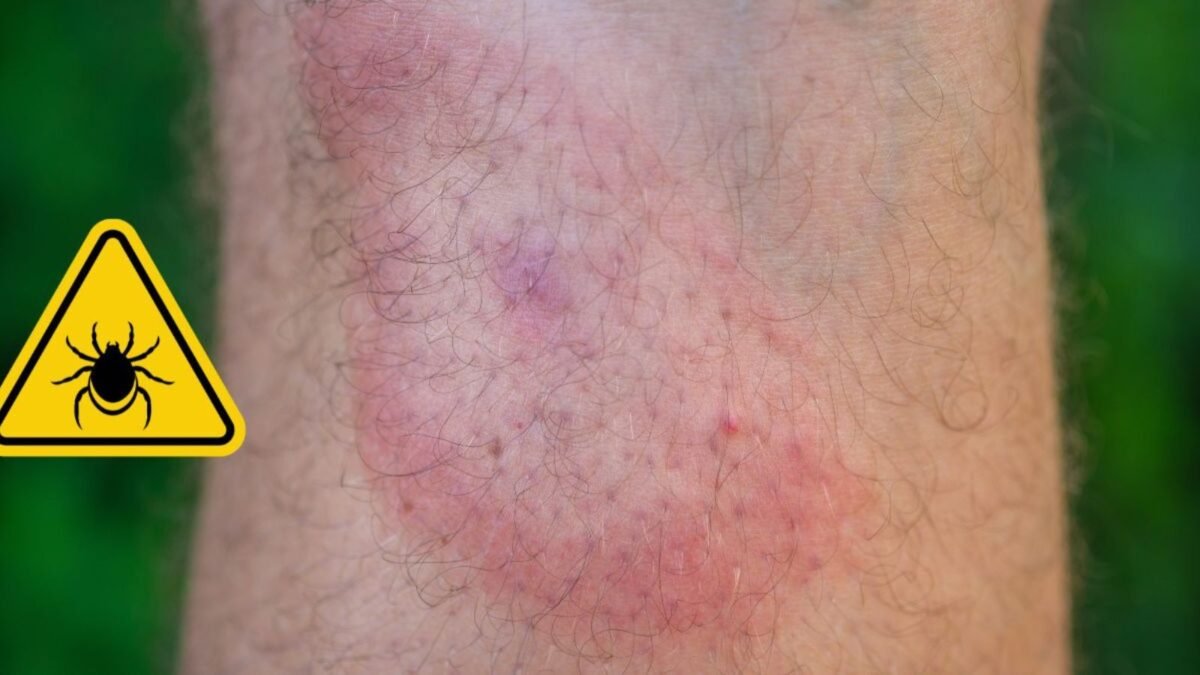
  • You develop a rash, especially a bullseye-shaped rash
  • You experience fever or chills
  • You develop headaches or body aches
  • You feel unusually tired or weak
  • You notice swollen lymph nodes
  • The tick may have been attached for more than 24 to 48 hours
  • You are unsure whether the tick was removed correctly

Ticks can carry illnesses such as Lyme disease and other tick-borne infections. Symptoms do not always appear immediately, which is why monitoring after a bite is important.

Why Urgent Care Is Often Better Than the ER

Many people assume they need to visit the emergency room after finding a tick bite. However, most tick bites are not medical emergencies and can be treated at an urgent care clinic.

Choosing urgent care instead of the ER for a tick bite can help you:

  • Avoid long emergency room wait times
  • Reduce unnecessary ER costs
  • Receive fast evaluation and treatment
  • Get guidance on symptom monitoring
  • Receive help with tick removal if needed

At Midlands Family Urgent Care, our team can evaluate tick bites, safely remove embedded ticks, assess symptoms, and determine whether additional treatment may be necessary.

Emergency rooms should generally be reserved for severe or life-threatening conditions. For most tick bites and mild to moderate symptoms, urgent care is the more practical and convenient option.

How to Reduce Your Risk of Tick Bites

Ticks are commonly found in wooded areas, tall grass, brush, and even neighborhood parks. Taking precautions can lower your risk of exposure.

Helpful prevention tips include:

  • Wear long sleeves and pants outdoors
  • Tuck pants into socks
  • Use insect repellent
  • Stay on maintained trails
  • Avoid tall grass when possible
  • Check your body after outdoor activities
  • Shower after spending time outside
  • Check children and pets carefully for ticks

Ticks often attach around the ankles, waistline, scalp, behind the knees, and under the arms. Pets should also be checked around the ears and collars after being outdoors.

Visit Midlands Family Urgent Care for Tick Bite Treatment

Tick bites are common during the spring and summer months, but knowing when to seek medical care can help prevent complications. If you are experiencing symptoms after a tick bite or need help removing a tick safely, Midlands Family Urgent Care is here to help.

Our team provides convenient care for tick bites and other non-emergency illnesses and injuries, helping patients get treatment quickly without the stress and expense of an ER visit.

Midlands Family Urgent Care | Walk-In Urgent Care Clinics in Omaha, NE

At Midlands Family Urgent Care, we provide fast, convenient care for non-life-threatening illnesses and injuries with walk-in availability and extended hours.

Our experienced medical team treats a wide range of conditions, including:

  • Cold and flu symptoms
  • Ear infections and sore throats
  • Minor injuries and sprains
  • Cuts requiring stitches
  • UTIs and mild allergic reactions
  • X-rays and rapid testing

We proudly serve Papillion, La Vista, and the surrounding communities with prompt, compassionate medical care when you need it most.

If you need same-day medical attention and your condition is not life-threatening, visit Midlands Family Urgent Care today.

How Soon Should You Visit Urgent Care for a Tick Bite?

Tick activity is drawing increased attention this season after a recent WOWT report noted that ER visits for tick bites are at their highest levels since 2017, according to the CDC’s Tick Bite Tracker. As more people spend time outdoors, health officials are emphasizing awareness around prevention, early symptom recognition, and when medical care is needed.

Tick exposure often increases during weekends spent at local parks, lakes, campgrounds, trails, and other outdoor recreational areas around Omaha. Whether you are hiking, fishing, gardening, or walking pets through grassy areas, it is important to know how quickly you should respond after finding a tick attached to your skin.

What Happens Right After a Tick Bite Matters

The first few hours after discovering a tick are often the most important. Many bites do not cause illness, especially when the tick is removed quickly and properly.

If the tick is still attached, it should be removed as soon as possible using fine-tipped tweezers. Grasp the tick close to the skin and pull upward with steady pressure. Avoid twisting or applying heat or chemicals, as these can increase irritation.

After removal, the skin should be cleaned with soap and water. Even when the tick is removed successfully, the bite site should be watched over the following days for any changes.

Signs That Shouldn’t Be Ignored After a Tick Bite

Some tick bites remain harmless, but others may lead to infection or illness. Symptoms do not always appear right away, which is why awareness in the days and weeks after a bite is important.

Medical attention at an urgent care clinic near you is recommended if any of the following occur:

  • The tick cannot be fully removed
  • The bite area becomes increasingly red, swollen, or painful
  • A rash develops, especially one that spreads or resembles a bullseye pattern
  • Fever or chills appear
  • Headaches, fatigue, or muscle aches develop
  • Swollen lymph nodes are noticed
  • The tick may have been attached for 24–48 hours or longer

These symptoms may indicate a tick-borne illness such as Lyme disease, which is easier to manage when addressed early.

Why Urgent Care Is the Right Next Step for Most Tick Bites

Not every tick bite requires emergency care, even when symptoms are present. In most cases, urgent care is the appropriate setting for evaluation and treatment.

Visiting urgent care can provide:

  • Faster evaluation compared to emergency rooms
  • Assessment of symptoms and risk factors
  • Safe removal assistance if needed
  • Guidance on monitoring and follow-up care
  • Treatment recommendations if infection is suspected

At Midlands Family Urgent Care, providers can evaluate the bite, check for signs of infection, and determine whether additional care or medication is needed.

Emergency rooms are generally best reserved for severe or life-threatening medical situations. Tick bites, even when concerning, are typically managed more appropriately in an urgent care setting.

Everyday Outdoor Exposure in Nebraska

Tick encounters are often tied to routine outdoor activities rather than remote hiking alone. In Nebraska, exposure can happen during everyday activities such as mowing the lawn, walking pets, fishing, camping, or spending time at neighborhood parks and lakes.

Ticks tend to attach in hidden areas such as behind the knees, around the waistline, underarms, ankles, and scalp. Because bites can go unnoticed at first, routine checks after outdoor time are an important habit for both people and pets.

Reducing Risk Before and After Going Outdoors

Prevention plays a key role in lowering the chance of tick bites, especially during peak outdoor seasons.

Helpful precautions include:

  • Wearing long sleeves and pants in grassy or wooded areas
  • Using EPA-approved insect repellent
  • Staying on clear, maintained paths when hiking
  • Avoiding tall grass and dense brush when possible
  • Checking the body and clothing after outdoor activities
  • Showering soon after returning indoors
  • Inspecting pets for ticks around ears, collars, and legs

These steps reduce the chance of ticks attaching and help ensure they are found quickly if exposure occurs.

When to Get Checked at Midlands Family Urgent Care

If you are unsure about a tick bite, develop symptoms, or were unable to remove a tick completely, seeking medical evaluation can provide clarity and peace of mind.

Midlands Family Urgent Care offers prompt evaluation and treatment for tick bites and other non-emergency conditions, helping patients get care without the delays often associated with emergency rooms.

Midlands Family Urgent Care | Walk-In Urgent Care Clinics in Omaha, NE

At Midlands Family Urgent Care, we provide fast, convenient care for non-life-threatening illnesses and injuries with walk-in availability and extended hours.

Our experienced medical team treats a wide range of conditions, including:

  • Cold and flu symptoms
  • Ear infections and sore throats
  • Minor injuries and sprains
  • Cuts requiring stitches
  • UTIs and mild allergic reactions
  • X-rays and rapid testing

We proudly serve Papillion, La Vista, and the surrounding communities with prompt, compassionate medical care when you need it most.

If you need same-day medical attention and your condition is not life-threatening, visit Midlands Family Urgent Care today.
When Should You Go to Urgent Care vs the ER?

A sudden illness or injury can leave you unsure about what to do next. Do you wait it out, schedule a doctor’s appointment, visit urgent care, or head straight to the emergency room?

Many people end up in the ER when they don’t actually need emergency-level care, while others delay treatment when they should seek help immediately. Knowing the difference can save you time, money, and unnecessary stress.

Understanding when to choose urgent care vs the ER helps ensure you receive the right level of medical attention at the right time.

Understanding the Difference Between Urgent Care and the ER

Urgent care centers treat medical issues that need prompt attention but are not life-threatening. They bridge the gap between primary care and emergency care by providing same-day treatment for common illnesses and minor injuries.

Emergency rooms are designed for severe, life-threatening, or rapidly worsening medical conditions. ERs are equipped with advanced imaging, emergency specialists, and life-saving equipment to handle critical situations immediately.

In many cases, the severity of your symptoms is the clearest sign of where you should go.

When Urgent Care Is Usually the Right Choice

Urgent care is often the best option when your condition cannot wait for a regular doctor’s appointment but is not considered an emergency.

Common reasons to visit urgent care include:

  • Cold and flu symptoms
  • Sore throat or strep throat concerns
  • Ear infections
  • Sinus infections
  • Mild allergic reactions
  • Urinary tract infections (UTIs)
  • Minor burns or cuts
  • Sprains and minor fractures
  • Mild fevers
  • Vomiting or diarrhea without severe dehydration

Urgent care centers can also provide X-rays, rapid testing, and basic treatment for many everyday illnesses and injuries.

For non-emergency situations, urgent care is often faster and more affordable than the ER.

When You Should Go to the Emergency Room

The emergency room is the right choice when symptoms are severe, sudden, or potentially life-threatening.

Go to the ER or call emergency services immediately if you experience:

  • Chest pain or pressure
  • Difficulty breathing or shortness of breath
  • Signs of a stroke
  • Severe head injuries
  • Loss of consciousness
  • Heavy bleeding that will not stop
  • Severe burns
  • Major injuries from accidents
  • Sudden confusion or seizures
  • Severe allergic reactions affecting breathing

If symptoms are rapidly worsening or feel dangerous, it is always safer to seek emergency care.

Common Situations: Urgent Care vs the ER

Sometimes symptoms fall into a gray area. Looking at common examples can help make the decision easier.

Situation Best Place to Go Possible Cause
Persistent cough, sore throat, and a low-grade fever in an otherwise healthy adult Urgent Care Likely a minor illness that needs same-day care but is not dangerous.
Sudden chest pain with shortness of breath and sweating ER Could signal a heart attack or another life-threatening emergency.
Sprained ankle, still able to walk with pain Urgent Care The injury is painful, but you can still bear weight, suggesting it may not be severe.
Ankle injury with visible deformity or bone breaking the skin ER Higher risk for a serious fracture, blood loss, or complications.
Mild rash without breathing trouble Urgent Care Usually non-urgent and can be treated quickly.
Rash plus swelling of the lips or tongue or difficulty breathing ER Could be a severe allergic reaction affecting the airway.

Considering Cost and Wait Times

Urgent care centers are often more convenient for non-emergency situations.

Many patients choose urgent care because:

  • Wait times are typically shorter
  • Costs are usually lower than ER visits
  • Evening and weekend hours are available
  • Walk-in appointments are common

Emergency rooms prioritize the most critical patients first, which means less severe conditions may wait longer for treatment.

If your condition is stable and non-life-threatening, urgent care is often the more practical option.

Pay Attention to How Symptoms Change

One important question to ask yourself is:

  • Could this become dangerous if I wait?

If the answer is yes or you are unsure, emergency care is usually the safest choice.

Symptoms that worsen quickly, spread suddenly, or involve breathing, consciousness, or chest pain should never be ignored.

On the other hand, conditions that are uncomfortable but stable often fit urgent care well.

When Your Primary Care Doctor May Be the Best Choice

Not every health issue requires urgent care or the ER.

Primary care providers are usually the best option for:

  • Routine checkups
  • Medication refills
  • Stable chronic conditions
  • Long-term symptom management
  • Follow-up visits
  • Preventive care

Many primary care offices also offer same-day sick appointments or nurse triage services for guidance.

Special Considerations for Children and Older Adults

Children can often be treated at urgent care for:

  • Ear infections
  • Mild fevers
  • Sore throats
  • Minor injuries
  • Common illnesses

However, infants with fever, breathing problems, or unusual behavior should usually be evaluated in the ER.

Older adults and individuals with chronic health conditions should also be more cautious because symptoms may become serious more quickly.

Chest pain, shortness of breath, sudden weakness, or confusion in these groups should generally be treated as emergencies.

Frequently Asked Questions

Is urgent care cheaper than the ER?

Yes. Urgent care visits are typically much less expensive than emergency room visits for non-life-threatening conditions.

Can urgent care treat broken bones?

Urgent care centers can often evaluate and treat minor fractures or sprains using X-rays and splints. Severe injuries may still require ER care.

Should I go to urgent care for flu symptoms?

Yes, urgent care is a common choice for flu symptoms, fevers, sore throats, and respiratory illnesses that are not severe emergencies.

When should breathing problems go to the ER?

Difficulty breathing, severe wheezing, blue lips, or worsening shortness of breath should always be treated as emergencies.

What if I am unsure where to go?

If symptoms feel severe, dangerous, or rapidly worsening, choose the ER. If the issue needs prompt care but is stable, urgent care is often appropriate.

Midlands Family Urgent Care | Walk-In Urgent Care Clinics in Omaha, NE

At Midlands Family Urgent Care, we provide fast, convenient care for non-life-threatening illnesses and injuries with walk-in availability and extended hours.

Our experienced medical team treats a wide range of conditions, including:

  • Cold and flu symptoms
  • Ear infections and sore throats
  • Minor injuries and sprains
  • Cuts requiring stitches
  • UTIs and mild allergic reactions
  • X-rays and rapid testing

We proudly serve Papillion, La Vista, and the surrounding communities with prompt, compassionate medical care when you need it most.

If you need same-day medical attention and your condition is not life-threatening, visit Midlands Family Urgent Care today.
Pay Your Bill

SELECT YOUR LOCATION

Schedule a time to visit or save your spot in line immediately to cut down on the wait by letting us know you’re on your way.

Papillion

312 Olson Dr. Ste., #101
Papillion, NE 68046

Current Wait:
Mins.

I Want To Pick A Time
Papillion

312 Olson Dr. Ste., #101
Papillion, NE 68046

Current Wait:
Mins.

I Want To Pick A Time
Millard

5062 S 155th St.
Omaha, NE 68137

Current Wait:
Mins.

I Want To Pick A Time

Schedule Your Telemedicine Visit

Book Now Through Your Local Urgent Care

Papillion

312 Olson Dr. Ste., #101
Papillion, NE 68046

Current Wait:
Mins.

I Want To Pick A Time
Papillion

312 Olson Dr. Ste., #101
Papillion, NE 68046

Current Wait:
Mins.

I Want To Pick A Time
Millard

5062 S 155th St.
Omaha, NE 68137

Current Wait:
Mins.

I Want To Pick A Time

BEGIN YOUR WEIGHT LOSS JOURNEY

SELECT YOUR LOCATION

Papillion

312 Olson Dr. Ste., #101
Papillion, NE 68046

Current Wait:
Mins.

Reserve my spot
Papillion

312 Olson Dr. Ste., #101
Papillion, NE 68046

Current Wait:
Mins.

Reserve my spot
Millard

5062 S 155th St.
Omaha, NE 68137

Current Wait:
Mins.

Reserve my spot
Papillion

312 Olson Dr. Ste., #101
Papillion, NE 68046

Current Wait:
Mins.

I Want To Pick A Time
Papillion

312 Olson Dr. Ste., #101
Papillion, NE 68046

Current Wait:
Mins.

I Want To Pick A Time
Millard

5062 S 155th St.
Omaha, NE 68137

Current Wait:
Mins.

I Want To Pick A Time

SELECT YOUR LOCATION

Papillion

312 Olson Dr. Ste., #101
Papillion, NE 68046

Current Wait:
Mins.

I Want To Pick A Time
Papillion

312 Olson Dr. Ste., #101
Papillion, NE 68046

Current Wait:
Mins.

I Want To Pick A Time
Millard

5062 S 155th St.
Omaha, NE 68137

Current Wait:
Mins.

I Want To Pick A Time